
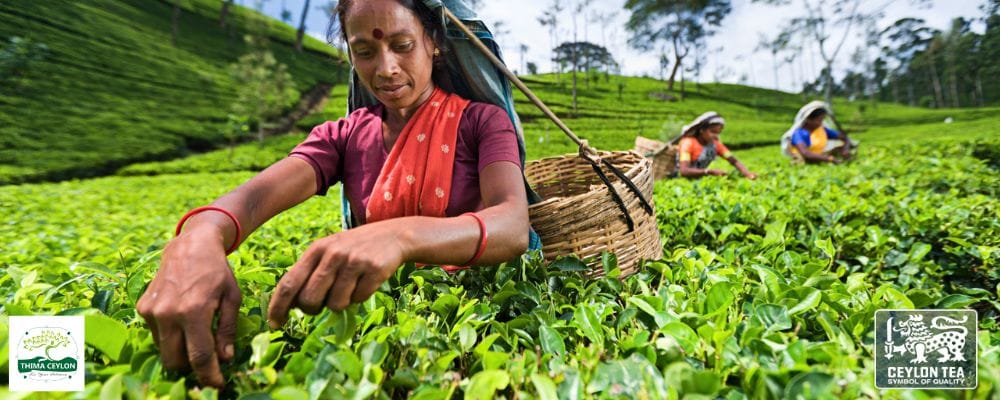
Introduction to Ceylon Tea
Ceylon tea, known for its distinct flavor and quality, has become an integral part of Sri Lanka’s cultural and economic fabric. Originating from the lush, mountainous regions of the island, this tea variety is celebrated worldwide for its vibrant aromas and diverse taste profiles. The cultivation of tea in Sri Lanka began in the early 19th century, marking the beginning of a significant agricultural industry that would evolve over two centuries. The fertile soil, along with the ideal climatic conditions of the highlands, provides the perfect environment for the growth of tea plants, notably the Camellia sinensis species.
The historical significance of Ceylon tea cannot be overstated. It was first introduced to the island by the British in 1824, replacing coffee plantations that had been devastated by a blight. This shift not only transformed the agricultural landscape of Sri Lanka but also laid the foundation for its ascent as a major global tea producer. Ceylon tea quickly gained a reputation for its superior quality, leading to increased exports and growing international interest. Today, the tea industry is one of Sri Lanka’s largest revenue-generating sectors, contributing significantly to the country’s economy and providing employment to millions.
Ceylon tea is often categorized based on its growing regions, which include Uva, Nuwara Eliya, Dimbula, and Kandy, each offering unique characteristics influenced by altitudes and climatic conditions. Its global reputation is further enhanced by the rigorous standards maintained across the production process, from cultivation to packaging. The distinctive bright color, brisk flavor, and refreshing qualities of Ceylon tea make it not only a popular choice among consumers but also a symbol of Sri Lankan heritage and craftsmanship. This blog post will explore the rich history, cultural significance, and the enduring legacy of Ceylon tea in both local and international contexts.
A Brief History of Ceylon Tea
Ceylon tea has a rich and storied history that traces its origins back to the British colonial era of the 19th century. While tea plants were originally brought to Sri Lanka in the early 1800s by British colonizers, it was not until 1867 that the commercial cultivation of tea truly began. The favorable climate and high altitude of Sri Lanka’s central highlands provided ideal conditions for growing tea. The British, recognizing the potential for a lucrative commodity, began to establish extensive tea plantations across the island.
The introduction of tea cultivation significantly altered the landscape of Sri Lankan agriculture, moving away from traditional crops such as coffee, which had been affected by disease. Tea estates quickly grew in number, with British planters importing thousands of Tamil laborers from India to work on these plantations. This influx of labor not only influenced the demographics of the region but also laid the foundation for a unique cultural blend, which remains evident in contemporary Sri Lankan society.
As plantations expanded, Ceylon tea began to flourish within global markets, and by the late 19th century, it had established itself as one of the world’s leading tea exporters. The development of Ceylon tea estates contributed significantly to the local economy, providing employment opportunities and stimulating business for various sectors, including transport, manufacturing, and trade. Moreover, the growth of this industry fostered improvements in infrastructure, such as roads and railways, which were vital for the distribution of tea.
Despite the colonial roots of the tea industry, Ceylon tea has evolved into a symbol of national pride for Sri Lanka. Today, it is celebrated not only for its exceptional quality and unique flavor profile but also for its historical significance and its role in shaping the country’s economic and social frameworks.
Why Ceylon Tea?
Ceylon Tea, synonymous with quality and unique attributes, boasts distinct characteristics that contribute to its esteemed reputation in the global market. Originating from Sri Lanka, Ceylon Tea is often celebrated for its rich flavor profiles, which vary substantially based on the region of cultivation. The island’s diverse climatic conditions, ranging from the cooler highlands to the warmer lowlands, allow for an array of flavors and aromas, each with its own signature notes. For instance, Nuwara Eliya produces a delicate, floral flavor, while the Uva region is known for its bold, aromatic profiles.
The ideal growth conditions found in Sri Lanka play a crucial role in the tea’s exceptional quality. The combination of rich, loamy soils, abundant rainfall, and misty mountain climates creates a perfect environment for tea cultivation. Additionally, the altitude at which the tea is grown significantly influences its taste; higher elevations generally yield teas that are lighter and more fragrant. This variety not only captures the palette of tea enthusiasts but also introduces a profound complexity that connoisseurs actively seek.
Furthermore, the meticulous cultivation and processing methods employed by Sri Lankan tea growers enhance the flavor and aroma of Ceylon Tea. From hand-picking the tender leaves to careful oxidation processes, the craftsmanship involved in tea production ensures that the natural characteristics of the leaves are preserved. Consequently, this results in a beverage that is not only pleasing to the senses but also embodies a rich heritage and tradition.
These unique attributes of Ceylon Tea, combined with Sri Lanka’s commitment to quality and sustainability, solidify its position as a favorite among tea lovers worldwide. Its enduring popularity can be attributed to both its iconic taste and the passionate effort of those dedicated to its cultivation and production.
The Symbol of Quality: The Lion Logo
The Lion Logo is not merely an emblem; it represents the rich heritage and legacy of Ceylon Tea from Sri Lanka. This iconic image stems from the ancient Sinhalese Kingdom of Sri Lanka, where the lion was revered as a symbol of strength, courage, and sovereignty. Richly embedded in Sri Lankan culture, the lion is a signifier of the country’s deep-rooted traditions, and its association with tea production highlights the commitment to quality and excellence.
Introduced in 1935, the Lion Logo was conceived as a guarantee of quality for consumers. This symbol serves as a hallmark that ensures that Ceylon Tea meets the rigorous standards set by the Sri Lanka Tea Board. By displaying this emblem, producers not only affirm their adherence to these guidelines but also reflect the authenticity of their products. This proactive measure has significantly bolstered consumer confidence, assuring tea drinkers worldwide that they are purchasing genuine Ceylon Tea.
The Lion Logo has effectively bridged traditional values with modern marketing strategies. In an age where brand identity is pivotal, the logo incorporates both historical significance and contemporary appeal. As markets become more saturated with tea products, distinguishing one’s brand becomes crucial. The Lion Logo stands out on retail shelves, capturing customer attention and reinforcing the perception of quality. Ultimately, this symbol not only encapsulates the extraordinary legacy of Ceylon Tea but also signifies a promise to consumers— a promise of unrivaled quality and authenticity.
Ceylon's Tea Growing Regions
Sri Lanka, renowned for its exquisite Ceylon tea, boasts several distinct tea-growing regions, each contributing its unique character to the flavor profile of the tea. The primary areas include Nuwara Eliya, Kandy, Uva, and Dimbulla, and each region is marked by its distinct climate, altitude, and soil composition.
First, Nuwara Eliya, situated at an elevation of approximately 1,800 meters above sea level, is often described as the ‘Queen of Tea’ regions. The temperate climate, characterized by cooler temperatures and ample rainfall, creates ideal conditions for producing high-quality tea with delicate flavors and floral notes. The region’s well-drained soil, rich in nutrients, further enhances the subtlety of its teas, making Nuwara Eliya teas particularly sought after.
Next, Kandy, the capital of Ceylon tea cultivation, is located at a lower altitude compared to Nuwara Eliya, ranging from 500 to 1,200 meters. Kandy experiences a more humid climate, which results in a fuller-bodied tea with robust flavors. The area’s rich, mineral-rich soil is a vital factor in producing its unique tea varieties. Kandy teas often exhibit a bold malty character, enticing many tea enthusiasts.
In addition, the Uva region is known for its distinctive flavor profiles, strongly influenced by its seasonal monsoon winds. This region’s tea plantations, located at altitudes of 900 to 1,200 meters, produce teas with unique character—often described as having a distinctive aroma with bright, crisp flavors. Lastly, Dimbulla, also located at a higher altitude, offers the perfect blend of cool nights and warm days that encourages the growth of fragrant and rich tea varieties. Each tea region in Sri Lanka contributes to the overarching legacy of Ceylon tea, enabling this esteemed beverage to retain its reputation worldwide.
The Role of the Tea Research Institute
The Tea Research Institute (TRI) of Sri Lanka plays a critical role in enhancing the productivity and quality of Ceylon tea, through advanced research and innovative cultivation practices. Established to develop and disseminate scientific knowledge essential for tea production, the TRI focuses on multiple aspects, including plant breeding, pest management, and sustainable agriculture.
In the domain of plant breeding, the institute has been at the forefront of creating new tea varieties. These varieties are carefully developed to be more adaptable to the diverse climatic conditions found across Sri Lanka’s tea-growing regions. By selecting for traits such as resistance to diseases and improved yield, the TRI contributes significantly to enhancing the economic viability of tea estates, ensuring that Ceylon tea remains competitive in global markets.
Pest management is another area where the TRI’s contributions are vital. Through extensive research, the institute has developed integrated pest management (IPM) strategies that minimize chemical use while efficiently controlling pests that threaten tea crops. These methods not only protect the plants but also promote environmental sustainability, addressing concerns regarding chemical residues in tea and their impact on human health.
Furthermore, the TRI emphasizes sustainable practices in tea cultivation. Their approach includes promoting organic farming methods and soil conservation techniques, which contribute to enhancing soil fertility and water retention. These sustainable practices not only help in maintaining the ecological balance but also ensure that the land remains productive for future generations, securing the legacy of Ceylon tea.
By focusing on research-driven initiatives, the Tea Research Institute of Sri Lanka continues to play a pivotal role in advancing the tea industry, ensuring that Ceylon tea maintains its prestigious reputation worldwide while adapting to modern agricultural challenges.
Sustainable Cultivation Methods
Sri Lanka, renowned for its Ceylon tea, has embraced sustainable cultivation methods that reflect a deep commitment to environmental stewardship. The nation’s tea industry has increasingly incorporated organic farming practices, guiding producers to cultivate tea without the use of synthetic fertilizers or pesticides. This transition not only benefits the environment but also enhances the overall quality and taste of the tea, allowing connoisseurs to enjoy a product that is both ethical and flavorful.
Organic cultivation methods involve the use of natural compost and bio-pesticides derived from plants and minerals, which help maintain soil health and biodiversity. Additionally, the use of cover crops promotes soil fertility and prevents erosion, ensuring that the land can be farmed sustainably for generations. Eco-friendly pest control is another crucial component of these practices, emphasizing integrated pest management techniques that minimize environmental impact. By utilizing beneficial insects and natural repellents, Sri Lankan tea farmers are able to control pest populations without harming the surrounding ecosystem.
The commitment to sustainability extends beyond farming methods to include the ethical treatment of workers. Many tea estates in Sri Lanka have adopted fair trade practices, ensuring that employees receive fair wages and work in safe conditions. This focus on humane labor practices helps to empower local communities and fosters a supportive agricultural environment. As the global demand for sustainably produced goods grows, the Sri Lankan tea industry is adapting to these trends, reinforcing its status not only as a producer of high-quality tea but also as a leader in ethical and environmentally friendly agricultural practices.
The Black Art: Tea Tasting
Tea tasting is a refined craft that embodies the rich tradition of assessing the quality of Ceylon Tea, a prominent product of Sri Lanka. This intricate process requires the expert use of the senses, particularly taste, smell, and visual assessment, allowing connoisseurs to appreciate the nuanced profiles of tea. At its core, tea tasting is not merely about enjoyment but understanding the subtleties that differentiate exceptional Ceylon Tea from the ordinary.
The initial step in tea tasting involves the visual inspection of the leaves and the brewed beverage. Expert tasters observe characteristics such as leaf shape, color, and size, which can indicate freshness and quality. For Ceylon Tea, vibrant colors and well-formed leaves are often seen as positive indicators. Subsequently, the taster examines the aroma, utilizing olfactory senses to detect various scent notes that may hint at the tea’s origin, processing methods, and flavor complexity.
Once the brewing process has been completed, the tasting begins. The methodology includes employing a technique known as ‘slurping’—a practice that allows the person to aerate the tea, intensifying its flavors across the palate. Here, tasters identify key flavor notes, which can vary from floral to fruity, spicy, or even earthy, based on the region and elevation where the tea was grown. Ceylon Tea, for instance, is renowned for its bright citrus and distinctively crisp taste, making it a favorite among tea enthusiasts.
Moreover, understanding the significance of taste profiles in the tea industry plays a crucial role in marketing and consumer choice. Different flavor profiles appeal to various demographics, guiding producers in crafting products tailored to niche markets. Overall, the art of tea tasting is a comprehensive practice that not only enhances the appreciation of Ceylon Tea but also fosters a deeper connection to Sri Lanka’s rich tea heritage.
Ceylon Tea and the Environment
Ceylon tea, renowned for its exquisite flavor and quality, also carries significant environmental implications stemming from its cultivation. The tea industry in Sri Lanka, while a pillar of the nation’s economy, faces a multitude of challenges that impact the ecosystem. One of the most pressing concerns is climate change. Fluctuating weather patterns, including unpredictable rainfall and rising temperatures, threaten the very foundation of tea cultivation, disrupting traditional farming practices and adversely affecting crop yields.
In response to these threats, the Sri Lankan tea industry has pioneered various initiatives aimed at minimizing its ecological footprint. Sustainable practices are gaining traction, as producers are increasingly aware that protecting the environment is crucial to their long-term success. Techniques such as organic farming, crop diversification, and soil conservation are being adopted across many plantations. These methods not only preserve the soil’s health but also enhance biodiversity, which is essential for a resilient ecosystem.
Moreover, reforestation programs are being implemented to restore native habitats that have been lost to extensive tea cultivation. These programs aim to create a balance between fulfilling economic needs and sustaining local flora and fauna. The government and various organizations actively promote such initiatives, ensuring that both older and newer plantations contribute positively to the environment.
Additionally, the integration of technology within the tea industry has led to improved water management practices, reducing waste and enhancing efficiency. By leveraging innovations, producers can cultivate high-quality Ceylon tea while simultaneously addressing environmental concerns. Thus, through a blend of traditional wisdom and modern techniques, the Sri Lankan tea industry is making strides in fostering a sustainable approach to tea production.
Bring home the heritage of Ceylon Tea. Discover our collection today.





 Thima Ceylon Selection - AI Sales Agent
2 Responses
Bài viết rất hữu ích, cảm ơn đã chia sẻ!
Thank You